Phil Mulacek has spent his career finding oil and gas in places others had overlooked. His discoveries run from the oil fields of the south-western United States to one of the largest onshore gas finds in Asia.
The United States (1981)
Phil founded Petroleum Independent & Exploration (PIE) in Texas in 1981. Under his direction, PIE and affiliates have explored for, drilled and produced oil and gas across the south-western United States, developing and taking part in more than 100 wells at depths from 1,500 to 26,000 feet.
Exploration in Papua New Guinea
When InterOil began exploring in 1998, the Eastern Papuan Basin was almost entirely open ground. In 2001, InterOil’s Subu-1 and Subu-2 wells found good reservoir rock containing traces of oil in the Pale Sandstone. Australia’s national science agency, CSIRO, confirmed that the key elements of a working petroleum system were present. It was a new oil system in a region where InterOil was the only company exploring. By 2003, InterOil held licences covering more than 9 million acres.
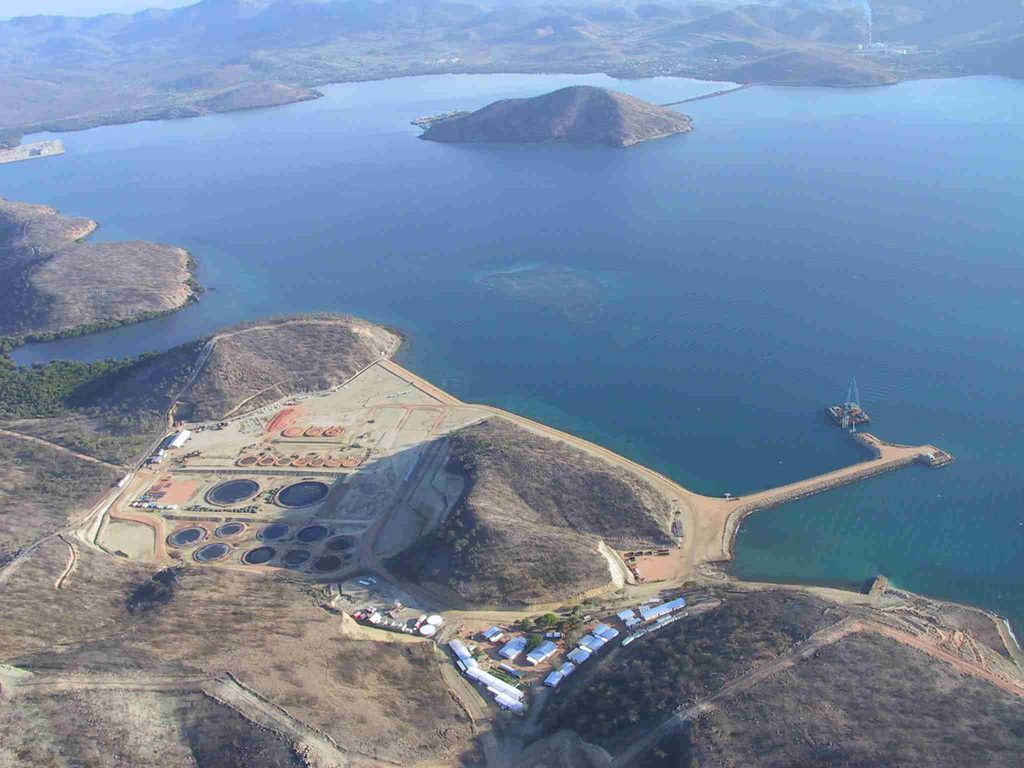
Elk (2006)
In May 2006, InterOil’s Elk-1 wildcat well, about 120 km north-west of Kerema in the Gulf Province, struck gas. It was the company’s first commercial discovery, testing over 105 mmscf gas per day; InterOil’s share price rose more than 11% on the news.
Antelope (2008)
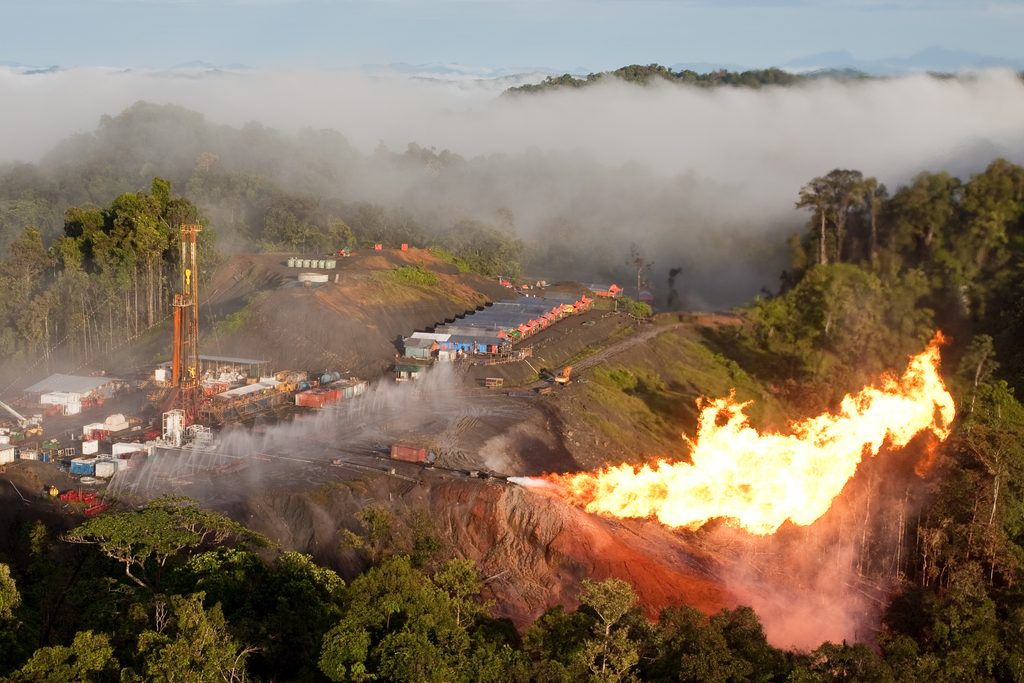
The breakthrough came while drilling Elk-4. Seismic data suggested a much larger structure lay beneath the Elk gas, so the team kept drilling. In May 2008, they reached it: the Antelope reef. In September 2008, Prime Minister Sir Michael Somare opened gas flow at Elk-4, with confirmed gas flow rates of over 100 mmscf gas per day.
Record-breaking flows (2009)
In March 2009, the Antelope-1 well flowed 382 million cubic feet of gas a day with 5,000 barrels of condensate. Its 760-metre gas column was the largest onshore vertical hydrocarbon column in the Asia-Pacific region, and Guinness World Records certified the flow. In December 2009, Antelope-2 went further, flowing about 705 million cubic feet of gas a day plus 11,200 barrels of condensate, equal to about 129,000 barrels of oil a day, for a single well.
Triceratops (2012)
InterOil’s Triceratops-2 well confirmed gas and condensate at over 80 million a day in a nearby structure, adding to the company’s resources in the region.
In total
Independent consultants certified the Elk and Antelope fields at more than 9.4 trillion cubic feet equivalent by 2011. Together with Triceratops, InterOil’s discoveries were estimated at 1.6 billion barrels of oil equivalent.
From discovery to appraisal
Discovery is one stage in the development of an energy resource. Appraisal establishes a clearer picture of a field and informs later engineering and commercial decisions. The Elk and Antelope fields became a central part of InterOil’s exploration and appraisal history.
Explore InterOil Corporation or return to the Oil & Gas overview.