A country without a refinery
By the 1990s, Papua New Guinea had become an oil producer, shipping crude oil over 18,000 km away, yet it had no refinery. Refined products were shipped from Singapore to Papua New Guinea, more than 13,000 km away, while domestic crude oil was exported 2,000 km to Australia and up to 18,000 km to northern Asia. Phil saw that a refinery at home would save both journeys and improve protection and profits.
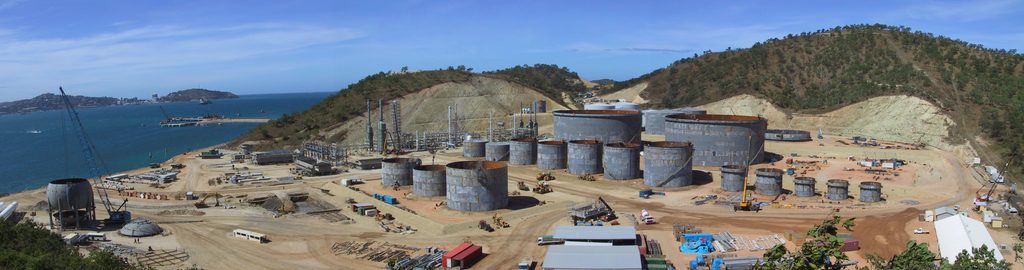
Building InterOil in PNG
The project was introduced to Papua New Guinea in 1995. InterOil secured a 99-year lease on a deep-water site at Napa Napa, across the harbour from Port Moresby, and in 1997 signed a 30-year Project Agreement with the PNG Government. The refinery took its first crude in 2004. InterOil then bought the local businesses of BP and Shell, and became the country’s main fuel supplier, serving towns, mines, hospitals, schools and airports across Papua New Guinea.
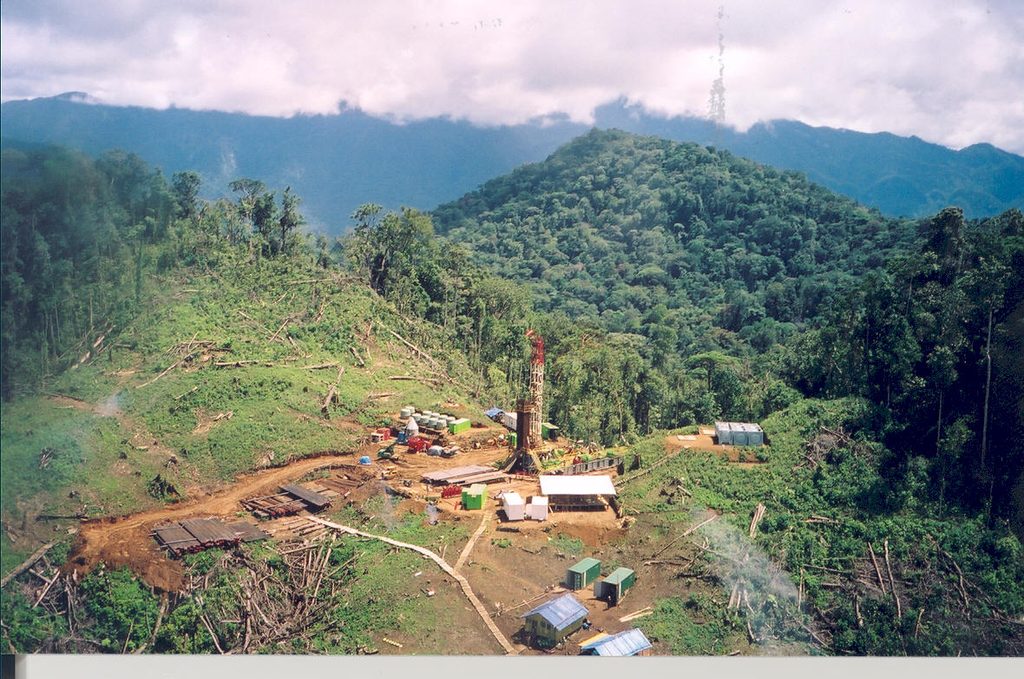
Opening up a new gas province
InterOil’s discoveries changed how the industry saw Papua New Guinea. Petroleum exploration licences in the country rose from 22 in 2005, before the Elk discovery, to more than 67 by 2011. At its peak, InterOil employed more than 1,800 people in PNG.
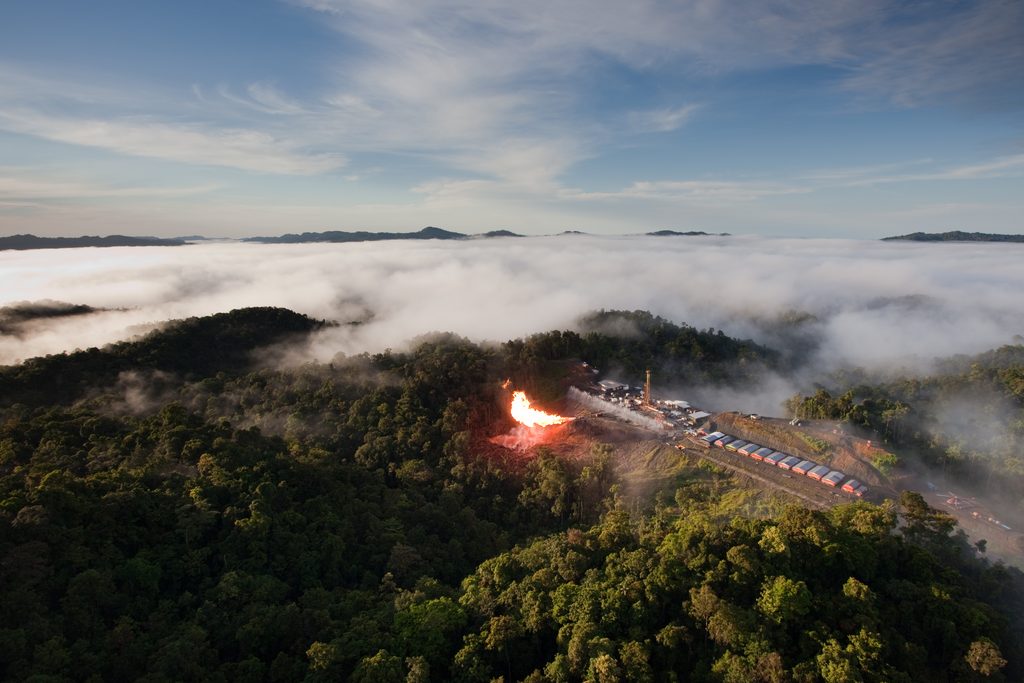
Elk-Antelope
The Elk and Antelope fields lie in the Gulf Province, near the Purari River. Prime Minister Sir Michael Somare opened the flow of gas at Elk-4 in September 2008 and attended the record-breaking Antelope-1 flow test in March 2009, which Phil described as proof that “the nation has one of the highest quality reservoirs on this planet.”
In February 2011, Prime Minister Somare, Treasurer Peter O’Neill and Petroleum Minister William Duma witnessed InterOil’s agreements for a liquefied natural gas project in the Gulf Province. Minister Duma thanked InterOil for building a refinery and developing world-class gas discoveries “in 15 short years.”
Working with communities
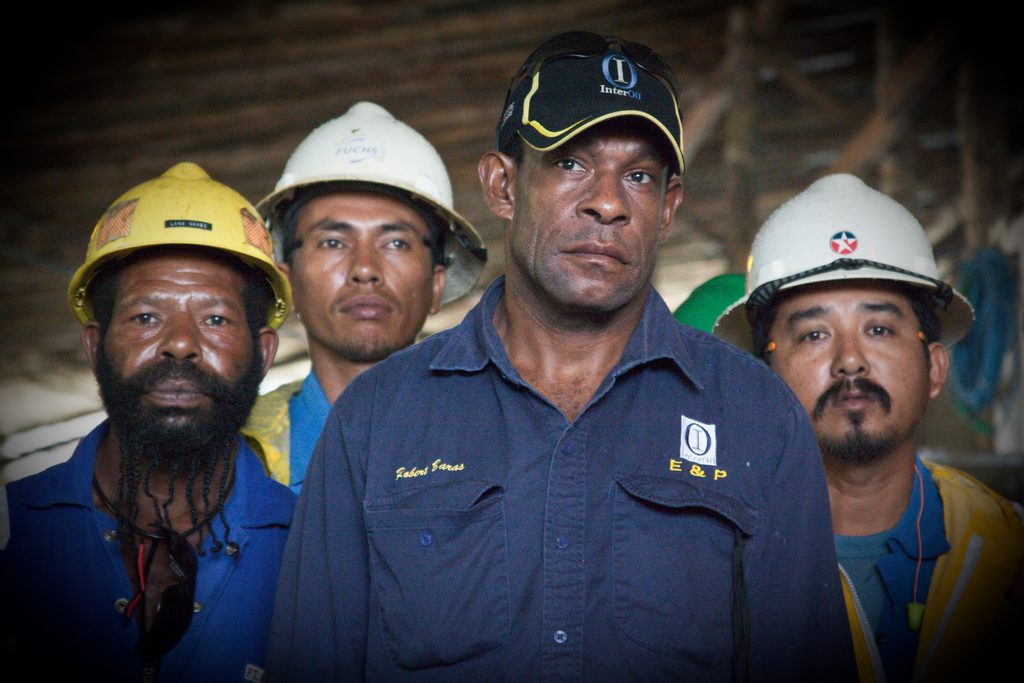
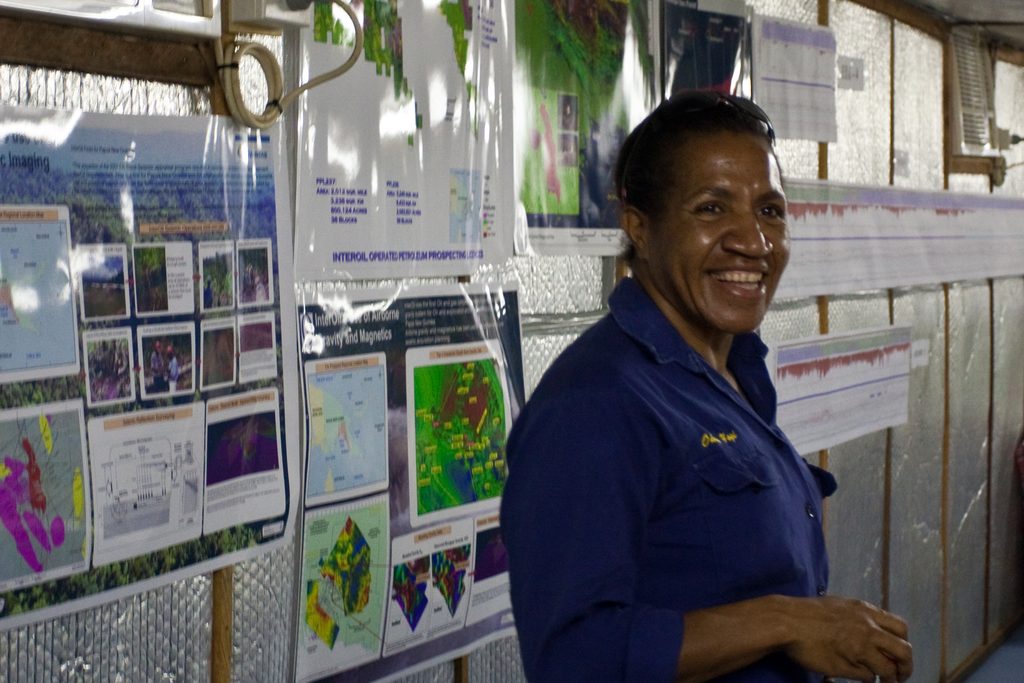
InterOil ran community programmes from its earliest years. Near the refinery, it worked with local villages on training and fresh water supply from 2001. Near the gas fields, it provided free medical care and airlifts to hospital, trained village birth attendants, reopened the Wabo school, funded teacher training and scholarships, and built a government office and police post at Wabo.
The legacy
Phil retired as CEO in 2013. The fields he discovered later attracted the world’s largest energy companies: Total in 2013 and ExxonMobil in 2017. Today, Elk-Antelope underpins Papua LNG, a planned USD 14 billion project to export liquefied natural gas from Papua New Guinea.
Explore InterOil Corporation or return to the Oil & Gas overview.